

What to know before buying your first Electric Vehicle (EV)
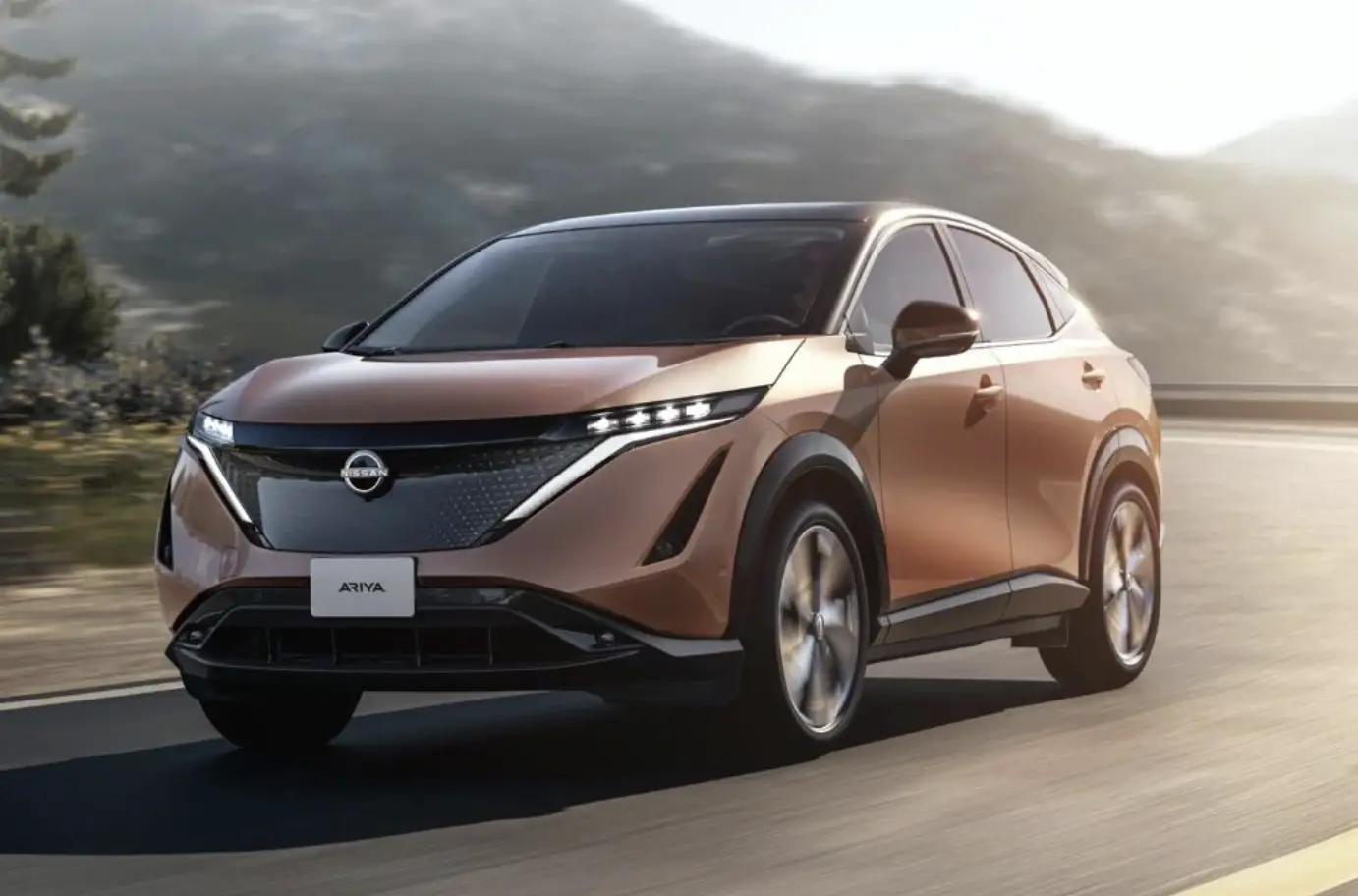
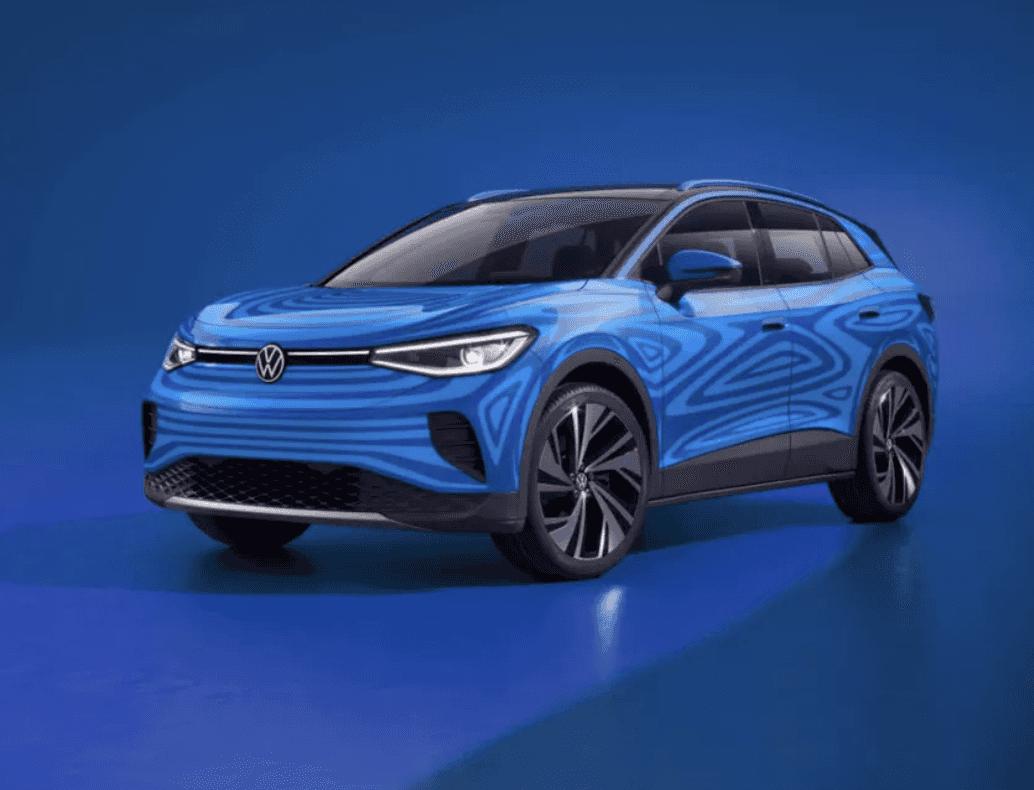
The electric revolution will be coming soon to a street near you. In the upcoming year, some of our great manufacturers will be bringing out state-of-the-art electric vehicles (EV) with Nissan unveiling the Ariya and Volkswagen soon to start production on the ID.4 into their already amazing lineups. Electric vehicle owners know the joys of driving and owning a battery-powered model. But for those who are on the fence about whether an electric vehicle may be right for them, here are a few responses to some common questions from potential electric vehicle buyers.
Why should I buy an electric vehicle?
Electric vehicles have zero direct emissions from driving and can help reduce carbon dioxide emissions compared to traditional vehicles. Researchers suggest that there may be no way to combat global warming without millions of electric vehicles worldwide. They’re fun to drive and quiet on the road, plus you can recharge them at home. They are also far more efficient at using energy compared to liquid fuel vehicles, which waste about two-thirds of their fuel as heat and friction.
Aren’t the batteries in EVs just versions of what I have in my phone or laptop?
While most electronics use some form of lithium-ion battery today, the chemistry and design of an EV battery is quite different than those used in consumer electronics.
The battery in my phone only lasts a few years. Will I have to replace the battery in my EV?
EV batteries in vehicles are not designed to be replaced like those in phones, and it’s rare for an EV owner to face that issue. EVs are designed to provide a certain amount of power for many years of ownership. While all batteries can lose charging capacity over time, Volkswagen EVs have several strategies to help combat that process, from liquid cooling to energy reserves.
How long does it take to charge an EV?
That depends on how much power the charger can provide, and how fast the vehicle can accept it. There are three general levels of charging power:
Level 1 is your typical 120-volt plug. Most EVs can get roughly 2-5 miles of range per hour of charging at one.
Level 2 chargers are the most common; they run off 240-volt circuits and can add about 12-24 miles per hour of charge. Most charging is either Level 1 or 2, and about 80 percent of all vehicle charging takes place at home.
Level 3 is commonly known as DC fast charging and requires special equipment with heavy-duty cables and inverters. These systems typically are only found at public charging stations and used for occasional recharging on long-distance drives. A Level 3 charger can recharge an EV battery to 80 percent capacity in roughly 30-40 minutes, depending on the charger’s total power limit. (Charging speeds at a DC fast charger slow for the final 20 percent of capacity due to heat buildup.)
Because the power coming out of a U.S. outlet is alternating current (AC), and vehicle batteries rely on direct current (DC), that electricity has to be converted, and the vehicle’s onboard converter can only handle a certain amount at a time. (That’s also the reason fast charging uses DC – it bypasses the onboard converters.) Charging times can also be affected by temperature extremes; very hot or cold weather can slow charging rates and lower the total amount of energy the battery can hold.
Can I plug in anywhere, or to any EV charger?
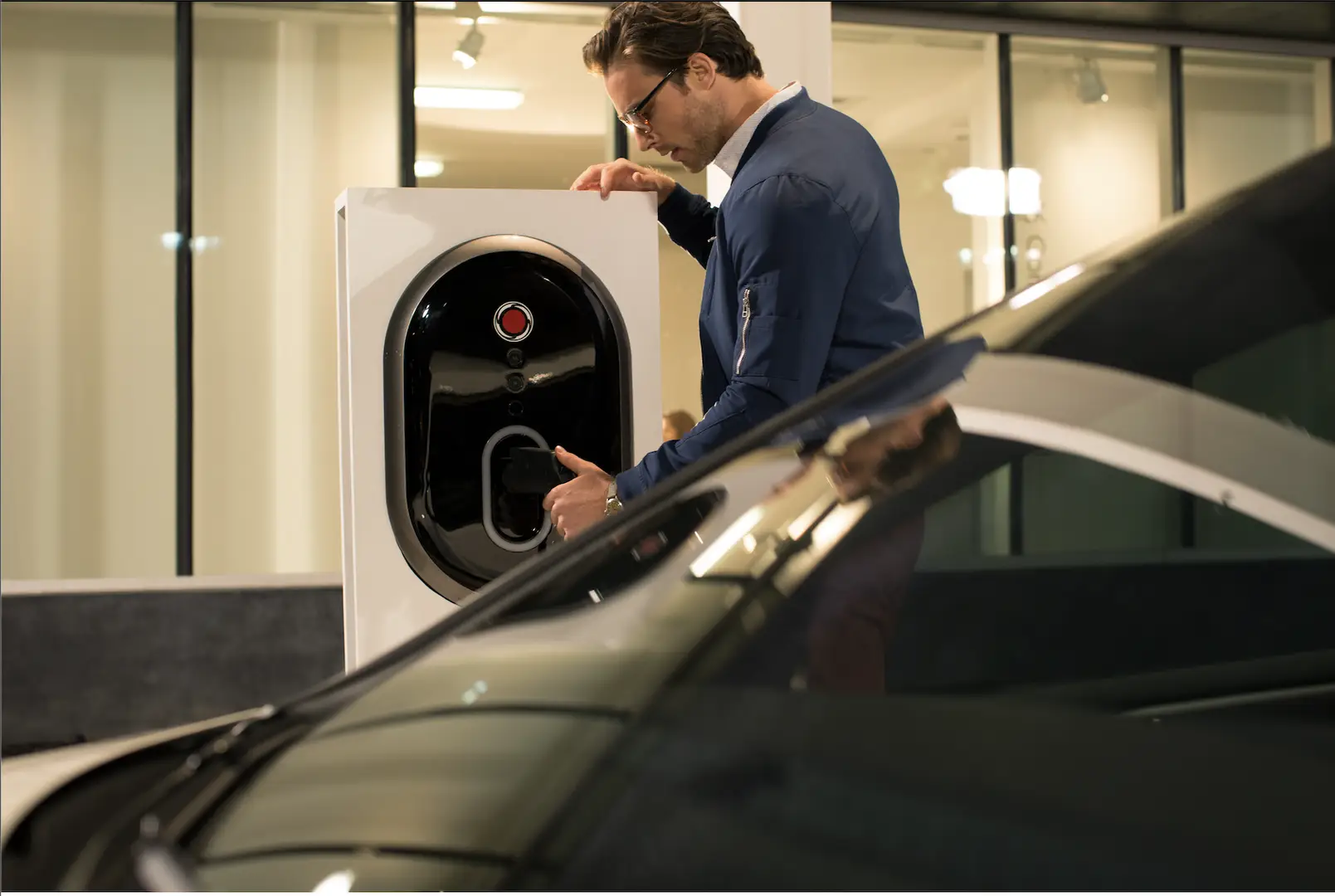
Not quite. Your EV has a specific type of charge port that has to match the charger. All Level 1 and Level 2 chargers use the same standard plug, but there are different plugs for DC fast charging. Your electric vehicle will come from the dealer with a Level 1 charger that plugs into a standard three-prong, 120-volt outlet. However, if you have a driveway or a permanent parking place, you will likely want to get a Level 2 charger installed at your home. Many apartment buildings and parking garages are also installing Level 2 chargers nationwide. There are about 59,000 public Level 2 chargers available in the United States, along with about 2,500 DC Fast Chargers that use the CCS standard, and more are being built.
Can I plug it in when it’s raining?
Electric vehicle charge ports and plugs use software to confirm they’re properly connected before sending electricity to a battery, and they’re designed to work in all weather conditions.
How far can I go in an EV?
Every EV in the United States has an EPA rated range estimate for a full charge. In daily use, EVs offer a constantly updated estimate of available range, based on your current driving data, your recent past driving history and other factors such as temperature and HVAC usage. Your range estimates may be lower in winter or higher in summer than the official number due to the effect of weather on batteries; they tend to work best at moderate temperatures, and lose some capacity in extreme cold or heat.
What is regenerative braking?
EVs all work the same way: Batteries feed electric power to a motor, which turns the wheels. One of the ways EVs can help save energy is by regenerative braking, which simply reverses that flow — using the wheels to turn the motor and send power back into the batteries while slowing the vehicle.
What kind of tires do EVs have?
EVs typically come with low rolling resistance tires that help extend their range while still providing assured handling. These typically do not cost more to replace than comparable regular tires.
How much does it cost to charge an EV?
If you’re at home, your EV recharging costs are based on your electric rates. In some places, EV owners can get special programs from their electric utilities that offer special discounts for charging at night or during off-peak times. The current U.S. average price of residential electricity is 13 cents per kilowatt-hour; at that rate, a full recharge of most EVs today would cost less than $10.
Public chargers range from free to more expensive than home charging for DC fast charging, depending on their power levels and networks. In general, charging your EV is still less expensive than filling up a tank of gasoline.
For more information about when you will be seeing all electric vehicles arriving at Bismarck Motor Company. Follow us on Facebook, Instagram, Twitter and LinkedIn and see all our latest videos on YouTube.






0 comment(s) so far on What to know before buying your first Electric Vehicle (EV)